

Last Updated: November 10, 2026
Quick Summary
There is no dependable mileage or time limit for driving with a cracked engine block, because the outcome depends on crack location, severity, coolant loss rate, and engine load. Treat a suspected cracked engine block as a stop-driving problem and limit trips to getting the vehicle safely off the road.
- Driving a few blocks or miles to safety may be possible if the engine is not overheating and coolant holds.
- Each heat cycle can widen the crack, so continued commuting or highway driving raises the risk sharply.
- Stop driving at once if the temperature gauge climbs, the overheating light comes on, or coolant disappears quickly.
- Sweet-smelling white exhaust smoke or milky oil on the dipstick are signs the crack may be mixing fluids.
- Get a pressure test or combustion gas test to confirm a cracked block before choosing a repair route.
Table of Contents
- How Long a Cracked Engine Block Can Realistically Last
- Common Symptoms of a Cracked Engine Block
- How to Tell If Engine Block Is Cracked
- Difference Between a Blown Head Gasket and a Cracked Block
- What to Do Immediately After Suspecting a Crack
- Can a Cracked Engine Block Be Repaired and What It Costs
- Choosing Your Next Step With a Cracked Block
- Frequently Asked Questions
How Long a Cracked Engine Block Can Realistically Last
A cracked engine block is one of the most serious failures a car can have, and the honest answer to how long you can drive with one is: there is no dependable mileage or time limit. Anyone who gives you a number is guessing. The outcome depends on where the crack sits, how severe it is, how fast coolant is escaping, and how hard the engine works.
That said, you can make a realistic decision by separating two very different situations.
A short move to safety. If the crack is suspected but the engine is not overheating, the coolant level is holding, and no warning lights are on, you may be able to drive a few blocks or a couple of miles to a safe parking spot or a nearby shop. Keep the engine at low speed and low load, watch the temperature gauge constantly, and shut it down at the first sign of trouble. This is a one-time move, not a commute.
Continued commuting or highway driving. This is where the risk climbs fast. A crack lets coolant and combustion gases mix in ways the engine was never built to handle. Each heat cycle, from cold start to full operating temperature and back, can widen the crack a little more. A block that seems fine for a week of short trips can fail suddenly on the next long highway run, when sustained heat and load put maximum stress on the metal.
When to stop driving and arrange a tow. Treat any of these as a hard stop:
- The temperature gauge climbs above normal or the overheating warning light comes on.
- Coolant is disappearing quickly, even if you cannot see a puddle.
- White exhaust smoke that smells sweet appears and does not clear.
- The oil on the dipstick looks milky or foamy.
- The engine misfires, knocks, or loses power noticeably.
If any of those appear, pull over safely, shut the engine off, and arrange a tow. Continuing to drive while the engine overheats can turn a repairable problem into a destroyed engine.
Why crack location changes the answer. An external seep near the outside of the block may lose coolant slowly and give you more time. A crack near a coolant passage can dump coolant into the cylinders or the oil, causing overheating or bearing damage within minutes. A crack that affects combustion sealing can pressurize the cooling system and push coolant out almost immediately. The location and severity matter more than the calendar.
Our advice is simple: treat a suspected crack as a stop-driving problem. Limit trips to what is needed to get the vehicle safely off the road, and avoid heavy loads, long drives, and hill climbs. The longer you drive, the more likely the crack grows and takes the engine with it.
Common Symptoms of a Cracked Engine Block
Cracks rarely announce themselves with one clear warning. Instead, several symptoms tend to appear together. Watch for these signs:
- Coolant loss with no visible puddle under the car
- Engine overheating, especially under load or in traffic
- White exhaust smoke that smells sweet, which can mean coolant is burning
- Milky or foamy oil on the dipstick or oil cap
- Rough idling or misfires that get worse over time
- Loss of power and a general lack of smoothness
A common mistake is treating each symptom alone. A small coolant drop and a slightly rough idle may seem minor. Together, they often point to a serious internal problem.
How to Tell If Engine Block Is Cracked
Confirming a crack is harder than spotting symptoms, and a shop will usually need to test the engine directly. Start with these checks:
- Check the coolant level when the engine is cold, and note any drop over a few days.
- Look at the oil for a creamy, milky look, which can mean coolant is mixing in.
- Watch the exhaust for thick white smoke that does not clear after the engine warms up.
- Note the temperature gauge and whether the engine overheats even with a good radiator and thermostat.
- Ask a shop for a pressure test or combustion gas test. These can detect exhaust gases in the coolant, a strong sign of a crack or head gasket failure.
Visual inspection alone often misses hairline cracks. A proper pressure test gives a far clearer answer than guessing from symptoms.
Difference Between a Blown Head Gasket and a Cracked Block
People often mix up these two failures, but they are not the same problem. A blown head gasket is a seal failure between the cylinder head and the block. A cracked block is a break in the metal itself.
The distinction matters for cost and for how far the car can be driven. A head gasket leak can sometimes be sealed with a targeted repair. A cracked block usually points to a more serious internal failure. Symptoms overlap heavily, so a proper diagnosis is the only reliable way to tell them apart. Our blown head gasket symptoms guide lists the signs of a head gasket failure to compare against your own observations.
What to Do Immediately After Suspecting a Crack
If you suspect a cracked block, your next moves matter more than anything else:
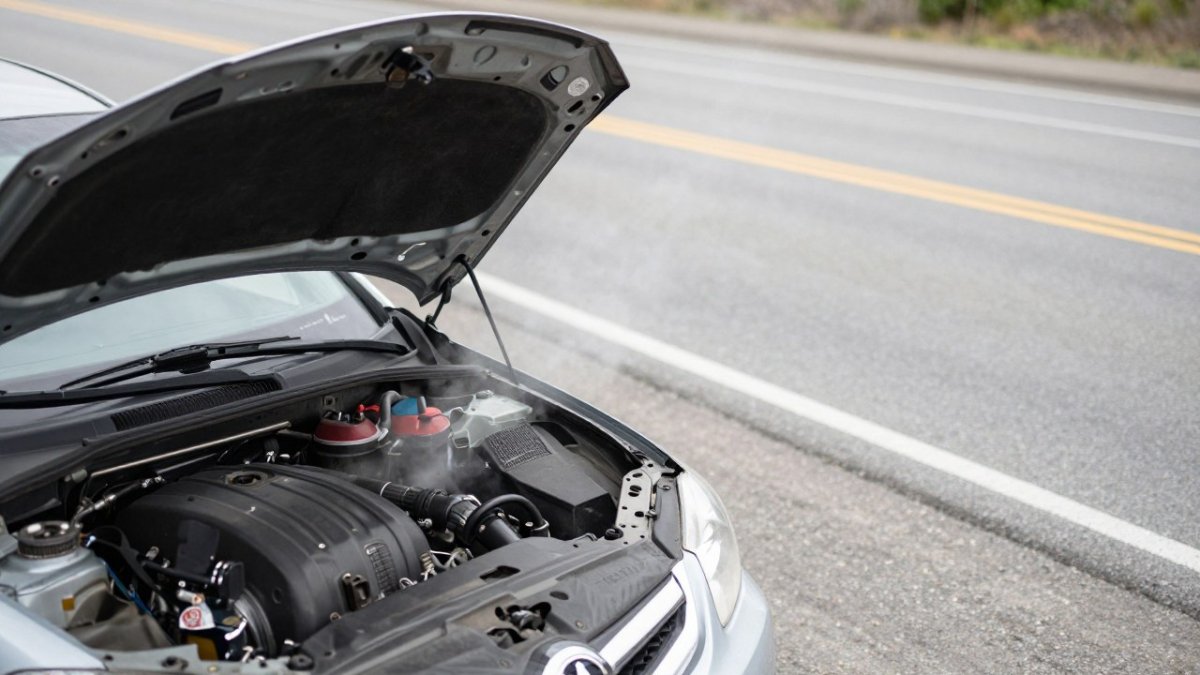
- Stop driving as soon as it is safe to do so.
- Turn the engine off and let it cool completely before checking coolant.
- Do not open a hot radiator cap. Pressure can cause serious burns.
- Arrange a tow to a trusted shop rather than risk a long drive home.
- Document the symptoms so the mechanic knows what you saw and when.
Watch out: continuing to drive while the engine overheats can turn a repairable problem into a destroyed engine.
Can a Cracked Engine Block Be Repaired and What It Costs
Repair options depend on the crack's location and severity, and the honest answer is that a true block crack is rarely a simple fix. The decision generally comes down to three routes, each with real tradeoffs.
Professional repair or replacement. For a serious crack, a replacement block or a used engine is usually the most reliable fix. The work involves removing the engine, transferring components, and resealing everything, so labor dominates the bill. Ask the shop for a written estimate that separates parts from labor, and ask whether a used engine with a warranty is available.
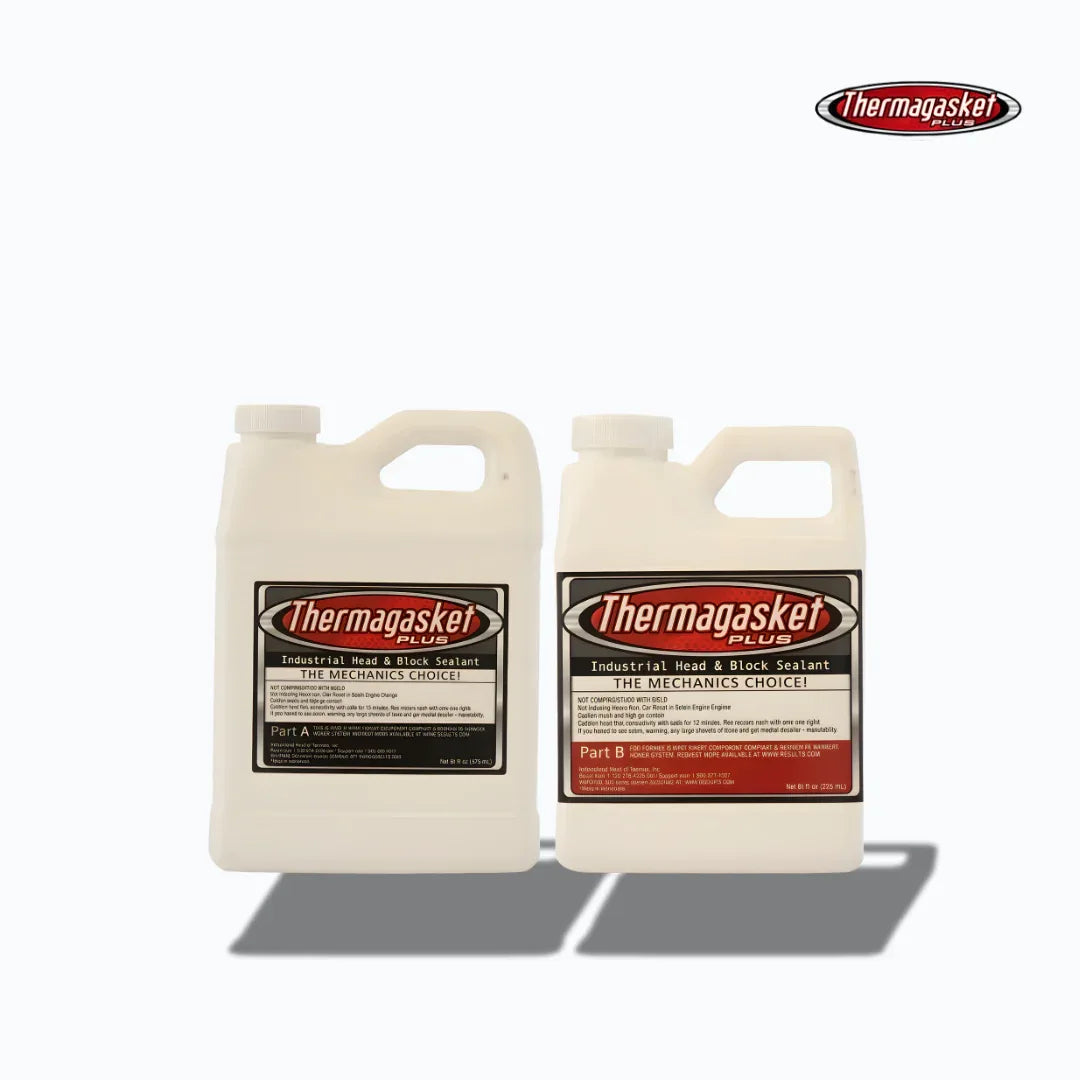
Temporary sealants. Some owners look at sealant products as a temporary or partial measure, especially when the symptoms overlap with a head gasket leak. Thermagasket Extreme Duty Head & Block Sealant is listed at $179.95 for larger cooling systems, and the Thermagasket Head and Block Treatment Kit is listed at $79.95. Sealants are not a guaranteed fix for a true block crack, and durability varies with crack size and location. Compare options on the Thermagasket Extreme Duty Head & Block Sealant product page. See how a sealant-based head gasket repair is handled before deciding, and ask a shop whether your damage is a good candidate.
Doing nothing or delaying. This is the most expensive route in practice. A crack that is ignored usually worsens, and continued driving can destroy the engine, the catalytic converter, and other components. What might have been a sealant conversation becomes a full replacement.
How to compare the routes. Get a proper diagnosis first. A cooling-system pressure test and a combustion-gas test can confirm whether the problem is a block crack or a head gasket failure, and that distinction changes the cost picture entirely. If the diagnosis points to a head gasket leak rather than a cracked block, a sealant treatment may be worth discussing with a mechanic first. If the block itself is cracked, plan on replacement or a used engine, and budget for the possibility that related parts need attention too.
Watch out: choosing a sealant without confirming the diagnosis can waste money and delay the repair that actually solves the problem.
The main repair routes differ in cost and reliability, so here is how they compare.
| Route | Best for | Key difference |
|---|---|---|
| Professional repair or replacement | Serious confirmed block cracks | Most reliable; labor dominates the bill |
| Temporary sealant | Possible head gasket leak, after diagnosis | Not guaranteed for a true block crack |
| Delaying the repair | Nothing | Usually worsens and becomes the most expensive option |
Choosing Your Next Step With a Cracked Block
Your next step depends on what the diagnosis shows. If the crack is confirmed and severe, a professional replacement is usually the safest route. If the damage looks limited to a head gasket leak, a sealant treatment may be worth discussing with a mechanic first. See what reliable block sealer results look like before deciding what a lasting repair should deliver.
For owners who want to evaluate a sealant themselves, review the head gasket check steps so you can confirm the symptoms point to the right problem. Whatever you choose, do not drive the car hard while the question is open. Get it diagnosed, protect the engine, and make the repair decision with clear information.
Frequently Asked Questions
How long will a car last with a cracked block?
There is no reliable universal limit. A cracked block can fail within minutes under heavy load or continue running for a short time if the crack is small and coolant is not entering the oil or combustion chamber. The safest assumption is that every mile increases the risk of overheating and major engine damage. If you notice coolant loss, rising temperature, milky oil, or white exhaust smoke, stop driving and arrange a tow. Continuing to drive can turn a repairable crack into a complete engine failure.
Is it safe to drive with a cracked engine block?
No, it is not considered safe. A cracked block can leak coolant, cause overheating, and let combustion gases enter the cooling system, which can lead to sudden power loss. Losing power in traffic or at highway speed creates a real hazard. If you suspect a crack, avoid driving the vehicle except to move it a short distance off the road, and have it towed to a repair shop for diagnosis.
Is it expensive to fix a cracked engine block?
Costs vary widely depending on the vehicle, the location of the crack, and whether the block can be repaired or must be replaced. Many shops quote a full engine replacement when a block is cracked, which is often more expensive than a head gasket repair. Some owners look at sealant-based treatments as a lower-cost option for minor leaks, but these are not guaranteed to work on a severe crack. A written diagnosis from a qualified technician is the best way to compare realistic options.
